Your Blood May Be Why Your Memory Is Fading
May 15, 2026 · Tags: neuroscience, immunology, aging, cognitive decline
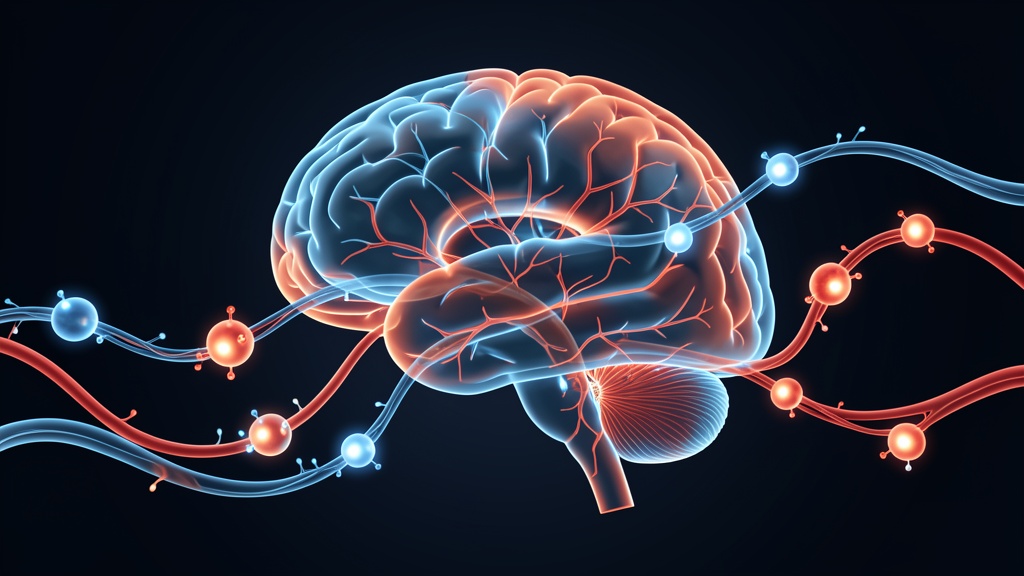
Forget the brain — the key to memory loss might be in your blood.
A study published in Immunity (May 2026) from Professor Saul Villeda's lab at UCSF found that aging CD8+ T cells — immune cells circulating in the bloodstream — actively drive cognitive decline. As we age, these cells secrete an enzyme called Granzyme K (GZMK) that causes brain inflammation and prevents brain cell regeneration.
The Discovery #
The researchers used several clever approaches to pin this down:
- Parabiosis: Surgically joining the circulatory systems of old and young mice showed that aged CD8+ T cells kept their harmful properties even when bathed in young blood.
- Cell transplantation: Injecting aged CD8+ T cells into young mice caused them to perform worse on maze navigation and object-recognition tests.
- Therapeutic intervention: Reducing CD8+ T cells in old mice — or pharmacologically inhibiting GZMK — improved their cognitive performance.
Why It Matters #
Here's the twist: you don't even need to reach the brain to fight cognitive decline. When researchers blocked these aged T cells in the blood of older mice, memory function improved. The mice that received young immune cells navigated mazes faster and showed more curiosity in object-recognition tests than those given old cells.
This opens the door to treating age-related memory decline through blood-based therapies — no brain surgery required. Villeda's team has already secured a candidate therapeutic substance targeting GZMK.
How It Works #
CD8+ T cells are normally responsible for eliminating infected or cancerous cells. But with aging, they start secreting excessive amounts of Granzyme K, a protein-degrading enzyme. The excess GZMK triggers inflammation in the hippocampus — the brain region critical for memory formation — and suppresses genes related to memory and cognition.
The Caveats #
This is mouse research, and the critical unanswered questions are significant:
- Do these findings translate to humans? The biology is similar but not identical.
- Why do aged CD8+ T cells secrete more GZMK in the first place?
- Through what exact pathway does GZMK affect brain function?
Still, the direction is promising. If a drug that blocks one enzyme in the blood can improve memory in old animals, that's a fundamentally different — and far less invasive — approach to cognitive decline than anything targeting the brain directly.
"GZMK could be a promising target for treating dementia, including Alzheimer's disease. We have already secured a candidate therapeutic substance." — Professor Saul Villeda, UCSF
Source: Immunity (2026), doi.org/10.1016/j.immuni.2026.04.014